

Week of Sound 2026: Innovation you can Hear
Published by Joseph SARDIN, on
Summary
- Jan 19 to Feb 1, 2026 : UNESCO Week of Sound
- Theme : Sound and Innovations
- Why it matters : health, culture, cities, tech
- How to join : attend, host, listen locally
- A reminder : sound shapes how we live
A calendar reminder that made me stop and listen
A few mornings ago, I caught myself doing something rare : I took one earbud out.
Not for safety, not because the battery died, but because the world outside sounded… busy. A bus kneeling at the curb, a café grinder tearing through the air, a child laughing like a bright bell, then the low, constant hush of traffic that never really leaves. That little mix, ordinary and overwhelming at once, is exactly why the UNESCO Week of Sound feels timely this year.
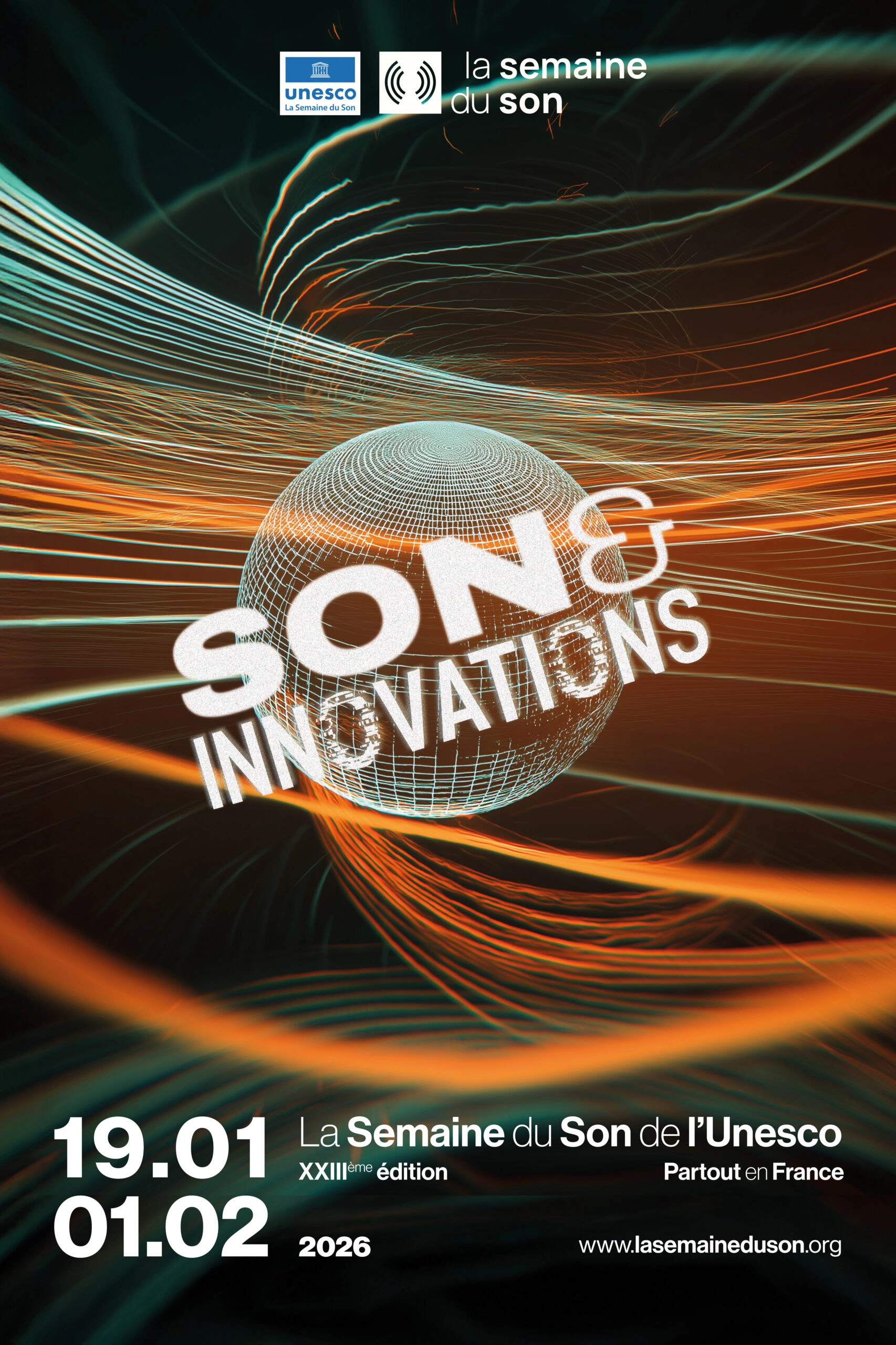
Starting January 19 and running through February 1, 2026, the 23rd UNESCO Week of Sound invites us to pay attention to something we usually treat as background : the sound environment we live in, and the innovations reshaping it.
Not a festival, a global listening exercise
Yes, the opening moment happens at UNESCO Headquarters, but the spirit is not about one place. UNESCO explicitly encourages Member States to organize their own local Weeks of Sound, on their own calendars, in line with the organization’s broader mission of awareness and good practices. In other words : the event is designed to travel, adapt, and belong to whoever picks it up.
In practice, that means talks in universities, workshops in schools, listening walks, screenings, studio open days, public debates on noise, and hands-on moments where sound professionals share what they do. Some countries have already hosted national editions outside January, proof that the concept can fit local realities rather than forcing the world into one schedule.
Theme 2026 : “Sound and Innovations”
This year’s theme sounds simple, but it opens a lot of doors : hearing-health breakthroughs, smarter acoustic materials, better measurement of urban noise, new tools for recording and restoration, and the fast-moving world of synthetic voice and audio authenticity.
What interests me most is the human side of innovation. A new hearing device is not just hardware : it can mean social confidence returning. A better classroom soundscape is not just comfort : it can change how a child learns. A clearer standard for sound systems is not just audiophile talk : it can protect audiences and raise the quality of live culture.
How to take part, wherever you are
If you want a simple way in, start with one question : what sound do I accept as “normal” that actually drains me ? From there, you can attend an event, host a small listening session, invite a local sound professional to speak, or propose a sound-walk route in your neighborhood.
Two good starting points are the UNESCO page for the Week of Sound and the NGO’s hub that lists initiatives and resources : UNESCO Week of Sound and The Week of Sound NGO.
And maybe the most important participation is the quietest one : choosing, at least once a day, to really listen.
What would you change first in your own soundscape : the city outside, the workplace, the classroom, or the way you listen through headphones ?
"Any news, information to share or writing talents? Contact me!"
♥ - Joseph SARDIN - Founder of BigSoundBank.com - About - Contact